


-

Add: HeBei ShengShi HongBang Cellulose Technology CO.,LTD.
-

Email
13180486930@163.com -

CONTACT US
+86 13180486930

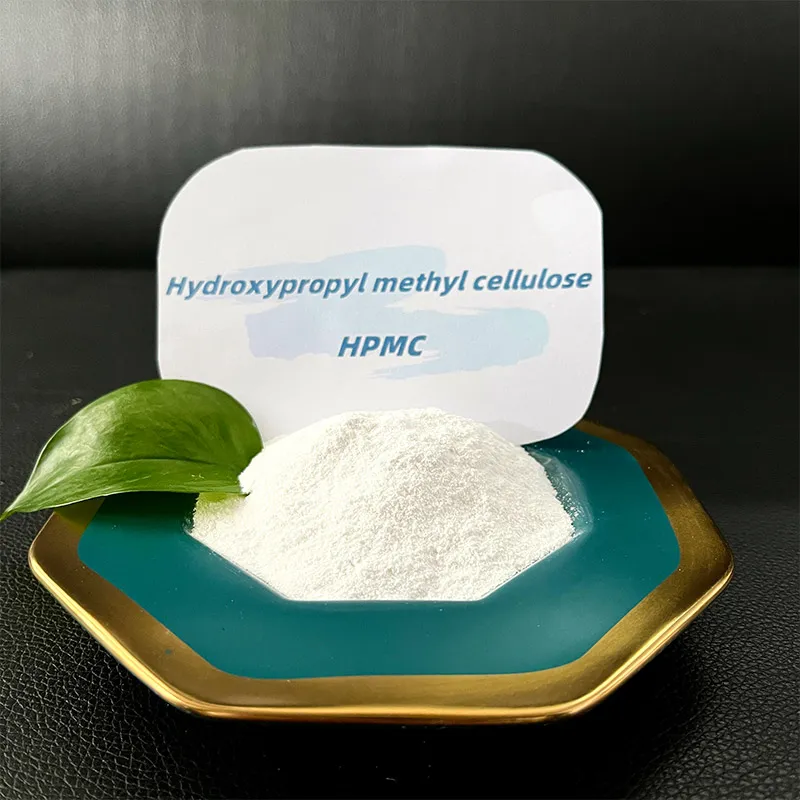



Hydroxypropyl methylcellulose (HPMC) is widely recognized as a versatile compound that finds its application across various industries. Preparing HPMC solutions is paramount for ensuring its effective performance, whether in pharmaceuticals, food processing, or construction. This article sheds light on the expertise required, authoritative guidelines, and trustworthy methodologies associated with HPMC solution preparation. Experience in HPMC solution preparation reveals that the process is both an art and a science, demanding precision and knowledge. Users often face challenges such as insolubility, clumping, or achieving the desired viscosity. These challenges can be mitigated by following specific preparation steps . Here, I will share a streamlined process derived from years of hands-on experience 1. Selection of Grade The choice of HPMC grade significantly influences the end properties of the solution. Different grades offer varying viscosities and gel temperatures, making it crucial to consult technical specification sheets provided by manufacturers to select the right grade for your application needs. 2. Water Quality The quality of solvent, usually water, plays a critical role. Using deionized or distilled water enhances solubility and prevents any potential reactions from contaminants. Experience confirms that temperature-controlled environments boost the solubility rate and uniformity of HPMC throughout the solution. 3. Dispersion Technique Accurate dispersion ensures the complete hydration of HPMC without forming clumps. Begin by sprinkling HPMC slowly into the solvent while stirring continuously. An authoritative tip involves using mechanical stirrers to maintain a consistent dispersal, achieving a lump-free solution efficiently. 4. Temperature Control The temperature of the solvent should be monitored closely. HPMC tends to dissolve better in cold water. By initially employing cold water to disperse the HPMC and later heating it up if the application demands a higher temperature, one can secure optimal results. hpmc solution preparation 5. Hydration Time Time is a crucial factor in preparing an HPMC solution. Allow the solution to hydrate fully, which might take several hours depending on the grade and environmental conditions. Patience is key as incomplete hydration could result in suboptimal solution properties. 6. pH Adjustment For applications requiring specific pH levels, adjust the pH of the solution after full hydration. Different grades of HPMC might react differently to pH adjustments, so it's advisable to conduct small-scale tests before full-scale operations. From a professional standpoint, the expertise of troubleshooting common issues cannot be overstated. In some cases, adding a non-ionic surfactant can assist in reducing surface tension and improving solubility. Furthermore, employing an industrial homogenizer can yield a finer, more consistent HPMC solution in high-demand applications. To establish authority in the preparation of HPMC solutions, it’s paramount to adhere to standardized practices as endorsed by industry leaders. Following guidelines from entities like the United States Pharmacopeia (USP) can ensure compliance and efficacy in pharmaceutical applications. Maintaining a record of every batch's preparation details ensures traceability and identifies areas for future optimization. Trustworthiness is built through consistency and transparency. Regularly testing and documenting the rheological properties of prepared solutions guarantees batch-to-batch uniformity. For enhanced credibility, consider third-party verification from accredited laboratories to validate the effectiveness and safety of the final solution. In conclusion, HPMC solution preparation demands a blend of practical experience, specialized knowledge, and adherence to authoritative protocols. By following these best practices, one can ensure the creation of high-quality HPMC solutions suitable for a variety of applications, ultimately fostering trust and reliability in the end product.
- 40000tons

Production
- 20+years

Experience
- 5000+㎡

Acreage

-
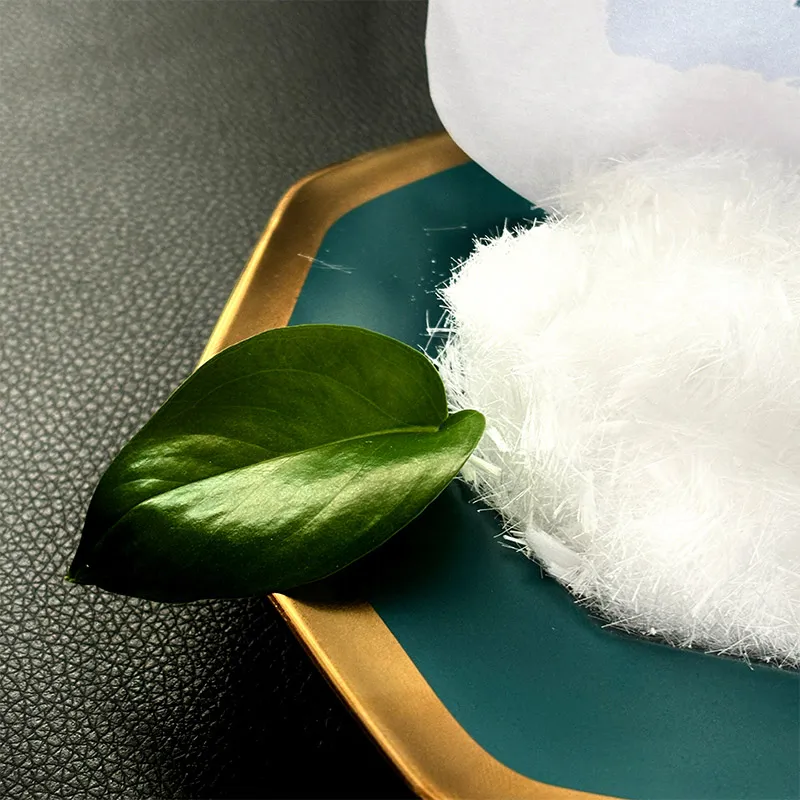
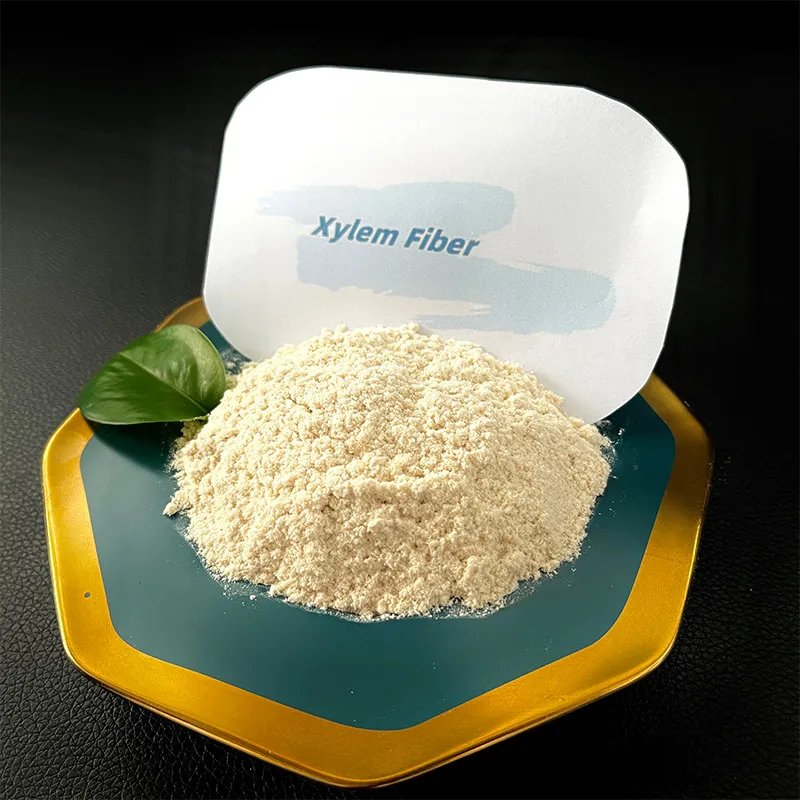
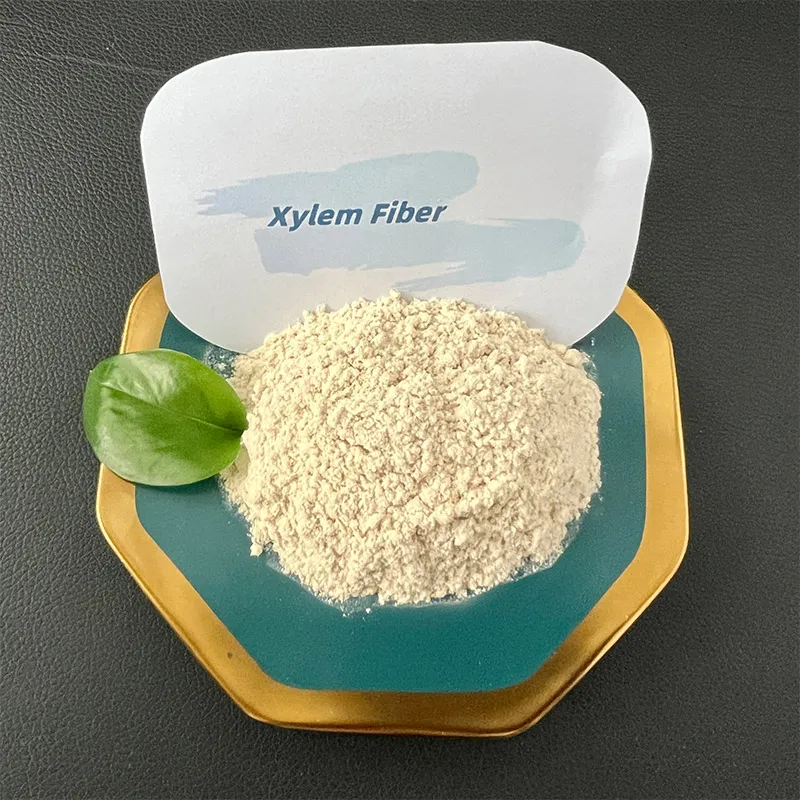
The Emergence of Wood Pulp Fiber A Sustainable Alternative In recent years, the pursuit of sustainable materials has gained significant momentum, leading to innovative solutions in various industries, from textiles to construction. One such innovation is wood pulp fiber, a versatile material derived from the decomposition of wood into its fibrous components. As societies become increasingly aware of the environmental impacts of conventional materials, wood pulp fiber stands out as an eco-friendly alternative that offers numerous benefits. Understanding Wood Pulp Fiber Wood pulp fiber is primarily extracted through the pulping process, where wood logs are processed to separate cellulose fibers from lignin and hemicellulose. This process creates a raw material that can be transformed into a range of products, including paper, textiles, and biodegradable plastics. The most common types of wood used for pulp are softwoods such as pine and fir, which are favored for their long cellulose fibers that contribute to strength and flexibility. Environmental Benefits One of the most compelling advantages of wood pulp fiber is its sustainability. As it originates from trees, a renewable resource, the lifecycle of wood pulp products can be much shorter compared to synthetic fibers like polyester, which are derived from petroleum. Furthermore, responsibly sourced wood pulp contributes to forest health by promoting sustainable forestry practices that ensure trees are replanted, preserving biodiversity, and maintaining carbon sequestration. The Emergence of Wood Pulp Fiber A Sustainable Alternative Versatility Across Industries fibra hecha de pulpa de madera The versatility of wood pulp fiber makes it an attractive alternative for various applications. In the textile industry, wood pulp can be converted into lyocell or modal fabrics, which are not only soft and breathable but also produced in a closed-loop process that significantly reduces water pollution compared to conventional cotton production. These fabrics are gaining popularity in fashion due to their comfort, environmental credentials, and stylish finish. In the packaging sector, wood pulp fiber is paving the way for biodegradable packaging solutions. As consumers demand more sustainable packaging options, wood pulp provides a solution that can help reduce the environmental footprint of e-commerce, food delivery, and retail packaging. Challenges and Future Outlook Despite its numerous advantages, the adoption of wood pulp fiber is not without challenges. The availability of sustainably sourced wood can sometimes limit production, and the technology for processing wood into fiber continues to evolve. However, as awareness and demand for sustainable materials rise, investment in research and development is likely to accelerate, opening new avenues for efficient production methods and innovative uses for wood pulp fiber. Moreover, as regulatory frameworks continue to support sustainable practices and combat climate change, wood pulp fiber stands on the brink of becoming a mainstream material in various industries. Companies are recognizing the importance of aligning their supply chains with sustainability goals, making wood pulp fiber an attractive option that meets consumer demand for eco-friendly products. Conclusion Wood pulp fiber represents a promising shift towards sustainability, offering an environmentally friendly alternative to traditional materials across diverse industries. Its biodegradable nature, coupled with the potential for sustainable production, positions it as a key player in the movement towards a greener future. As both consumers and manufacturers increasingly prioritize sustainability, wood pulp fiber could very well become a staple in our daily lives, supporting a healthier planet for generations to come.
-
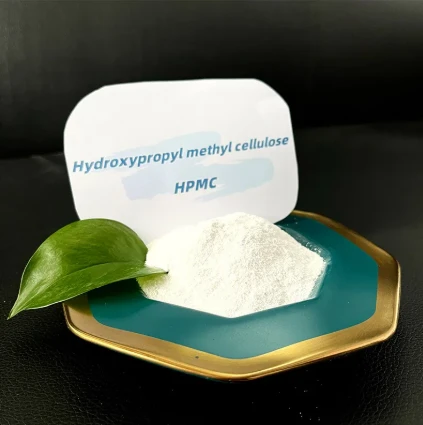
As someone who has experienced the discomfort of dry eyes, the search for a reliable ophthalmic solution can be daunting. The introduction of HPMC Ophthalmic Solution USP Lacrigel into the market has been a game-changer for many . This product, hailed for its effectiveness, adheres to stringent quality standards in ophthalmic care and offers substantial relief to individuals suffering from various ocular surface disorders. HPMC, or Hydroxypropyl Methylcellulose, is a key ingredient known for its viscosity-enhancing properties. This characteristic is crucial in ophthalmic solutions as it provides the necessary lubrication to the ocular surface, mimicking natural tears. But not all HPMC-based solutions are created equal; the formulation within Lacrigel stands out due to its optimal viscosity, which ensures prolonged contact time with the eye surface. This is particularly advantageous for individuals experiencing severe dry eye symptoms, as longer retention can offer extended relief and protection against environmental irritants. From a professional perspective, the expertise embedded in the creation of Lacrigel is evident. Developed by top-tier specialists in ophthalmology, the solution is rigorously tested to meet the highest standards of safety and efficacy. This endorsement from healthcare professionals is a testament to its reliability in treating conditions like dry eye syndrome, especially in cases where other treatments have failed to deliver satisfactory results. Authoritativeness is another pillar that supports HPMC Ophthalmic Solution USP Lacrigel's esteem in the market. It is not only recommended by eye care practitioners globally but also preferred by patients who have experienced transformative results firsthand. The formulation’s ability to restore moisture, alleviate irritation, and improve comfort cannot be overstated. With frequent use, individuals report noticeable improvements in visual clarity and a significant reduction in the scratchy sensation often associated with dry eyes. hpmc ophthalmic solution usp lacrigel Trustworthiness remains at the forefront of Lacrigel’s brand philosophy. Transparency in its formulation and thorough clinical evaluations assure users of its commitment to ocular health. In addition, its non-preservation formula is a critical factor for those who wear contact lenses or have particularly sensitive eyes. This makes Lacrigel an inclusive solution for a wider demographic, further cementing its position as a trusted product in the sphere of ophthalmic care. Experience shared by users highlight its ease of application and swift action. The gel consistency is particularly favored as it offers a balance between liquid drops and ointments, avoiding the blurriness often caused by the latter. For professionals with demanding schedules, such as pilots or office workers under constant exposure to digital screens, Lacrigel’s efficacy offers a reprieve, allowing them to maintain productivity without the distraction of dry, irritated eyes. Furthermore, it’s essential to recognize the importance of following a consistent eye care routine alongside using Lacrigel. Regular ophthalmologist visits, proper eye hygiene, and adequate hydration complement the benefits of this solution, enhancing overall eye health. Such a comprehensive approach ensures that while Lacrigel addresses immediate symptoms, underlying factors contributing to dry eyes are also managed effectively. In summary, HPMC Ophthalmic Solution USP Lacrigel is not just another product on the shelves; it is a refined, highly effective ophthalmic solution that aligns with the highest standards of eye care. Its formulation, backed by expert research and clinical validation, along with positive testimonials, underscore its position as a leading choice for managing dry eye symptoms. As individuals seek reliable solutions to enhance their quality of life, Lacrigel stands as a beacon of trustworthiness and efficacy in the dynamic landscape of ophthalmic healthcare.
advantages
-

200000 Viscosities
Excellent product
We can produce pure products up to 200,000 viscosities
-

40000 tons
High yield
We don’t stop production all year round, and the annual output can reach 40,000 tons
-

24 hours
Quality service
We provide 24-hours online reception service, welcome to consult at any time
———— Inquiry Form
Schedule A services

-
 hydroxyethyl_starch_solution
Oct . 25, 2025
Understanding the intricacies of HPMC juice can elevate your experience with this innovative product -
 trisodium_citrate_plaster_retarder
Oct . 25, 2025
The Versatility of Fiber An Insight into Polyester and Polypropylene In today's world, the significa -
 redispersible_polymer_powder_manufacturers
Oct . 25, 2025
In the pursuit of sustainable and renewable materials, few substances hold as much promise as fibre


